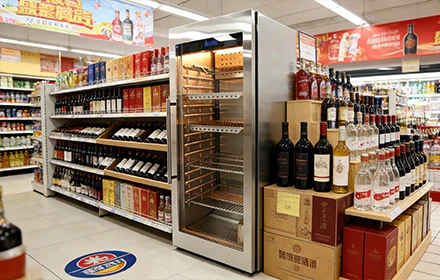
A professional butcher shop display case does more than keep meat cold. It presents fresh cuts in their best color, protects products from contamination, supports food safety compliance, and helps customers make faster buying decisions. For butcher shops, meat markets, supermarkets, and deli counters, the right refrigerated meat case can directly influence both sales performance and daily operating standards.
When customers look at beef, pork, poultry, lamb, or prepared meat products, they judge freshness within seconds. Color, lighting, cleanliness, and case temperature all shape that first impression. A high-quality meat display fridge combines accurate refrigeration, meat-tone LED lighting, hygienic materials, and practical merchandising design to create a display that looks professional and performs reliably.
Why a Butcher Shop Display Case Matters
A butcher shop display case is one of the most important pieces of equipment in any fresh meat retail environment. It functions as both a refrigeration system and a sales presentation tool. If the display looks bright, clean, and well organized, customers are more likely to trust the quality of the meat.
Poor display conditions can have the opposite effect. Uneven lighting may make meat appear dull or discolored. Unstable temperature can reduce product quality and raise food safety concerns. Hard-to-clean interiors may create hygiene risks and slow down daily cleaning routines.
A professional refrigerated meat case helps solve these problems by keeping products visually appealing, safely chilled, and easy to manage throughout the business day.
Meat-Tone LED Lighting: Improving Color and Customer Appeal
Lighting is one of the most overlooked factors in meat merchandising. Standard white lighting may not always show fresh meat in the most attractive way. Meat-tone LED lighting is designed to enhance the natural red and pink tones of fresh cuts without making the display look artificial.
For beef, proper lighting can make marbling and lean muscle color more visible. For pork and poultry, balanced lighting helps products appear clean, fresh, and appetizing. This is especially important in a butcher shop display case where customers compare different cuts side by side.
Effective meat tone LED lighting should:
- Highlight natural meat color
- Reduce dull or gray visual effects
- Support clear product visibility
- Avoid excessive heat inside the case
- Create a premium shopping experience
LED lighting also offers energy-saving benefits compared with older lighting systems. Since LEDs produce less heat, they help reduce the cooling burden on the refrigerated meat case, supporting better temperature stability and lower operating costs.
Stable Temperature Control for Fresh Meat Safety
Temperature control is the foundation of every meat display fridge. Fresh meat must be stored at safe, consistent temperatures to slow bacterial growth, protect texture, and maintain quality. A refrigerated meat case temperature that fluctuates too much can affect both food safety and product appearance.
For butcher shops, temperature stability is especially important because the case may be opened frequently during service. Staff may need to access products, restock trays, or serve customers throughout the day. A well-designed butcher shop display case should recover temperature quickly after door openings or product loading.
Key temperature-control features to look for include:
- Reliable refrigeration performance
- Even airflow across the display area
- Accurate digital temperature controls
- Fast temperature recovery
- Low-temperature fluctuation during peak hours
Stable cooling helps preserve meat color, reduce moisture loss, and extend display quality. It also supports compliance with food safety standards and helps reduce product waste.
Recommended Refrigerated Meat Case Temperature
The ideal refrigerated meat case temperature depends on local food safety regulations and the type of meat being displayed. In general, fresh meat should be held at a chilled temperature that keeps it safely cold without freezing the product.
Operators should always follow local health department requirements and food safety guidelines. Using a case with accurate temperature monitoring makes it easier to document conditions and respond quickly if temperatures move outside the required range.
A professional butcher shop should also use independent thermometers or temperature checks as part of its daily routine. The display case’s built-in controller is useful, but regular verification helps maintain confidence and compliance.
Stainless Interior Deli Case: Hygiene and Durability
Hygiene is another major factor when choosing a butcher shop display case. Meat retail environments require frequent cleaning because juices, packaging residue, and handling activity can quickly affect sanitation. A stainless interior deli case is highly valued because stainless steel is durable, corrosion-resistant, and easier to clean than many other materials.
Stainless steel interiors support a more hygienic workflow by reducing areas where residue can build up. They also provide a professional appearance that customers associate with cleanliness and food safety.
Benefits of a stainless interior deli case include:
- Easy daily cleaning
- Strong resistance to corrosion
- Long service life
- Professional food-grade appearance
- Better support for hygiene compliance
Smooth interior surfaces, removable trays, and accessible corners can make cleaning faster and more thorough. For butcher shops with high daily traffic, this can save labor time while improving sanitation standards.
Display Design That Supports Better Sales
A meat display fridge should be designed for both product safety and product presentation. Customers need to see the available cuts clearly, compare options easily, and feel confident about freshness.
Good display design includes proper product spacing, clear visibility, attractive lighting, and organized merchandising. Overloading the butcher shop display case can block airflow and make the display look crowded. On the other hand, a neat and balanced layout creates a premium impression.
To improve sales presentation:
- Group similar cuts together
- Keep high-margin items at eye level
- Use clean trays and consistent spacing
- Avoid blocking airflow with excess product
- Refresh the display throughout the day
- Remove products that no longer look fresh
A well-merchandised refrigerated meat case helps guide customer decisions and encourages impulse purchases. Premium cuts, marinated meats, sausages, and ready-to-cook products can all benefit from strategic display placement.
Airflow and Humidity: Protecting Meat Quality
Temperature alone is not enough. Airflow and humidity also affect meat quality inside the butcher shop display case. Poor airflow can create warm spots, while excessive air movement may dry out the meat surface.
A quality refrigerated meat case should provide balanced airflow that keeps products evenly chilled without drying them out. This helps maintain natural texture, color, and visual appeal.
Humidity control is also important for fresh meat presentation. If the air is too dry, meat may lose moisture and appear less fresh. If humidity is too high, condensation can form on glass surfaces and reduce visibility. The best meat display fridge maintains a balance between cooling performance and product appearance.
Energy Efficiency and Operating Costs
A butcher shop display case runs for long hours every day, so energy efficiency matters. Efficient refrigeration, LED lighting, quality insulation, and well-designed airflow can all help reduce power consumption.
While a cheaper case may seem attractive at first, poor efficiency can increase long-term operating costs. It may also struggle to maintain stable temperature during busy periods. Investing in a reliable refrigerated meat case can reduce waste, lower maintenance issues, and improve display performance over time.
Important energy-saving features include:
- LED lighting
- High-efficiency compressors
- Quality insulation
- Night curtains or covers
- Digital temperature controls
- Low-maintenance condenser design
Energy efficiency should never come at the expense of food safety. The best display case balances low operating cost with stable and reliable refrigeration.
Daily Maintenance Tips for a Butcher Shop Display Case
Even the best meat display fridge needs regular maintenance. Good daily habits help protect food quality, extend equipment life, and reduce the risk of breakdowns.
Recommended maintenance practices include:
- Check and record case temperature daily
- Clean stainless steel interiors regularly
- Remove spills and meat juices immediately
- Keep air vents clear
- Avoid overloading the display
- Inspect door seals and glass surfaces
- Clean condenser coils according to the maintenance schedule
- Schedule professional service when needed
Staff training is also important. Employees should understand how to load the case correctly, monitor temperature, clean surfaces, and identify early signs of equipment problems.
How to Choose the Right Meat Display Fridge
When selecting a butcher shop display case, consider your store size, product range, service style, and local safety requirements. A small butcher shop may need a compact service counter, while a supermarket meat department may require a longer refrigerated meat case with multiple display zones.
Key buying factors include:
- Case size and display capacity
- Temperature range and stability
- Meat-tone LED lighting quality
- Stainless steel interior construction
- Glass visibility and anti-fog performance
- Cleaning accessibility
- Energy efficiency
- After-sales service and parts availability
The right case should support both back-end operations and front-end sales. It should be easy for staff to clean and restock, while giving customers a clear, attractive view of the meat.
Common Mistakes to Avoid
Many butcher shops lose sales or face operational problems because of poor display case practices. Avoiding these mistakes can improve both food safety and customer perception.
Common mistakes include:
- Using lighting that makes meat look dull
- Overloading the display area
- Ignoring temperature fluctuations
- Blocking air vents with trays or packaging
- Choosing interiors that are difficult to clean
- Failing to maintain condenser coils
- Leaving old or dry-looking products on display
- Not checking temperatures with an independent thermometer
A butcher shop display case works best when equipment quality and daily operating discipline work together.
Conclusion: Better Lighting and Stable Cooling Drive Better Results
A high-quality butcher shop display case is an investment in product freshness, hygiene, customer trust, and sales conversion. Meat-tone LED lighting improves visual appeal by enhancing natural meat color, while stable refrigerated meat case temperature supports food safety and product quality. A stainless interior deli case adds durability and makes daily cleaning easier, helping operators maintain a professional and compliant retail environment.
For butcher shops, supermarkets, and fresh meat counters, the best meat display fridge is not simply a cold cabinet. It is a complete merchandising and preservation system. By choosing the right display case and maintaining it properly, businesses can reduce waste, improve presentation, support compliance, and create a stronger buying experience for every customer.