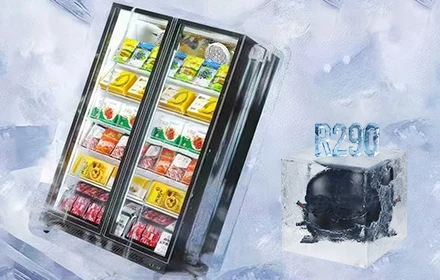
Introduction: How to Choose the Right Commercial Beverage Cooler
Selecting the right commercial beverage cooler is not just about price—it directly impacts your product visibility, energy cost, and sales conversion.
For convenience stores, supermarkets, and retail chains, the decision usually comes down to three core factors:
- Number of glass doors (single, double, triple)
- Temperature range (typically 2–8°C beverage cooler)
- Display capacity & merchandising efficiency
This guide will help you quickly determine the best beverage cooler for your convenience store or retail project.


1. Single Glass Door Beverage Cooler (Best for Small Spaces)
Key Features
- Compact footprint
- Capacity: 200–400L
- Ideal temperature: 2–8°C
- Plug-and-play installation
Best Use Cases
- Small convenience stores
- Checkout counter impulse sales
- Cafés & bakeries
Pros
- Low upfront cost
- Flexible placement
- Energy efficient
Cons
- Limited storage capacity
- Frequent restocking required

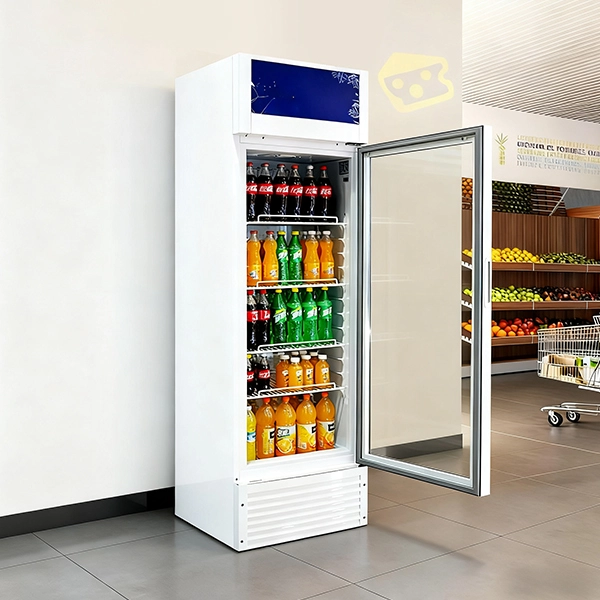
2. Double Glass Door Beverage Cooler (Best Balance Option)
Key Features
- Medium capacity: 800–1200L
- Balanced footprint vs display area
- Adjustable shelving for SKU flexibility
Best Use Cases
- Convenience stores (core scenario)
- Gas stations
- Mid-size supermarkets
Pros
- Good display-to-space ratio
- Higher product visibility
- Stable temperature performance
Cons
- Higher energy consumption than single door
- Requires more floor space


3. Triple Glass Door Beverage Cooler (High-Volume Retail Solution)
Key Features
- Large capacity: 1500L+
- Wide display frontage
- Designed for high-traffic environments
Best Use Cases
- Supermarkets
- Wholesale clubs
- Retail chains
Pros
- Maximum product visibility
- Increased impulse purchases
- Reduced restocking frequency
Cons
- High initial investment
- Requires large installation space
- Higher power consumption


4. Temperature Range: Why 2–8°C Matters
Most commercial beverage coolers operate within:
2–8°C (35.6–46.4°F)
Why This Range is Critical
- Keeps beverages optimal for consumption
- Prevents freezing damage (especially carbonated drinks)
- Maintains product shelf life
Advanced Features to Look For
- Digital temperature controller
- Fan-assisted cooling (even airflow)
- Automatic defrost system
5. Door Design & Sealing: Hidden Factor That Impacts Profit
Many buyers overlook this—but it directly affects:
- Energy consumption
- Cooling efficiency
- Maintenance cost
Key Door Technologies
- Low-E glass → reduces heat transfer
- Heated glass doors → prevents fogging
- Magnetic gaskets → ensures tight sealing
Poor sealing = higher electricity bills + unstable cooling
6. Quick Selection Guide (For Fast Decision Making)
| Store Type | Recommended Type | Reason |
|---|---|---|
| Small shop / café | Single door | Space-saving, low cost |
| Convenience store | Double door | Best balance |
| Supermarket / chain | Triple door | High capacity & display |
7. How to Choose the Best Beverage Cooler for Your Business
When selecting a glass door merchandiser, ask yourself:
1. How many SKUs do you display?
- <50 → Single door
- 50–150 → Double door
- 150+ → Triple door
2. Store traffic level?
- Low → Single
- Medium → Double
- High → Triple
3. Power cost sensitivity?
- High → choose energy-efficient single/double with Low-E glass
8. Conclusion: Which One Should You Choose?
- Single door → Entry-level / small footprint
- Double door → Best ROI option for most buyers
- Triple door → Maximum display for high-volume retail